

EPISODE #12: The Debrief – Trans-Tasman Seawind 1170 Delivery
March 26, 2026
Delivering a catamaran across the Tasman Sea — one of the world’s most notoriously unpredictable bodies of water — is no small feat. In a recent episode of the Two Hulls One Life podcast, Multihull Central’s skipper and yacht broker Tom Adams sat down for a detailed debrief along with Brent Vaughan who also joined the 8.5-day passage aboard the Seawind 1170 from Sydney to the Auckland New Zealand, covering 1,248 nautical miles of mixed and at times challenging conditions.
Preparation: Safety First
Tom’s approach to boat prep was methodical. With the Seawind 1170 — known as Sweet Disposition — being just 18 months old and already having logged coastal miles to Townsville, the foundation was solid. Tom spent several days conducting a thorough systems check: verifying the life raft, fire extinguishers, EPIRBs, dan buoys, drogue, and all first aid gear. A full rig inspection was carried out, revealing only a minor goosesneck pin replacement. Jacklines and harnesses were rigged, and all shackles inspected. Spare 100-litre jerry cans of fuel was also taken aboard — a habit Tom credits with saving him in rough conditions off Coffs Harbour on a previous voyage.

Weather Routing: Timing is Everything
Weather planning was central to the trip. Using PredictWind Professional paired with an Iridium GO satellite device, Tom monitored evolving systems throughout the passage. The crew departed within a reasonable window, though competing pressure systems — a tropical low near New Caledonia and a Southern Ocean front — required careful navigation decisions. At one point, the crew deliberately slowed the boat to allow a developing low to clarify before committing to a heading. The southerly front ultimately produced beam swells of up to 4–4.5 metres and winds peaking around 30–32 knots, but was short-lived. The first leg out of Sydney saw wind on the nose and uncomfortable short chop, while a mid-passage calm required motoring for a period. The final 48 hours into New Zealand delivered some of the best sailing, with the boat hitting 13–14 knots.
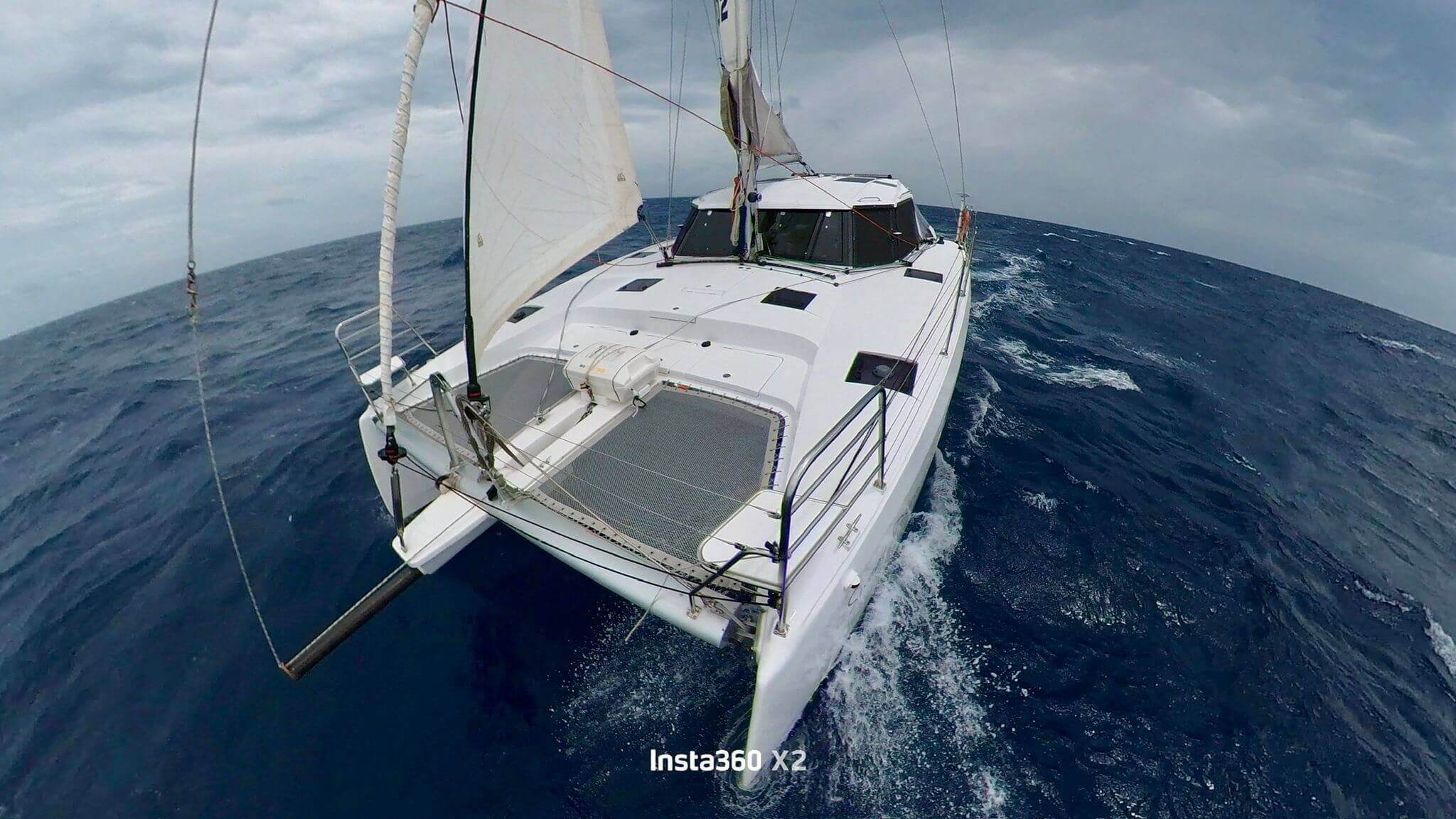
Offshore Performance: The 1170 Proves Itself
For Tom — a lifelong monohull sailor making his first offshore catamaran passage — the Seawind 1170 was a revelation. The boat’s raked bows and chined transom provided excellent buoyancy and kept the vessel dry in heavy chop. The enclosed saloon cockpit was a standout feature: crew could reef the main from inside the helm station without getting wet, even in 30-knot conditions. The autopilot performed flawlessly throughout. The boat spent approximately two full days under third reef, prompting a suggestion that an additional, smaller reef point would suit offshore work well. The screacher sail, deployed briefly during calmer stretches, proved extremely easy to handle solo.
Systems, Power & Provisioning
The boat’s lithium battery system with booster alternators was a highlight — capable of charging from 60% to full in under 30 minutes at idle engine speeds. This proved invaluable given the predominantly overcast conditions that limited solar input. The crew ran the engines for roughly 30 minutes each afternoon to top up batteries and heat water via the engine’s heat exchanger. Total fuel consumption across the passage was around 135 liters per side — well within the boat’s generous 520-litre capacity, plus reserve. A Rainman AC watermaker producing 140 liters per hour handled all fresh water needs from day five onward, with the 520-litre tank capacity proving more than adequate. Crew comfort was maintained through pre-cooked meals, a practical galley-down layout, and rotating 3-hour watch shifts.

Standout Safety Feature
Seawind’s twin helm located on the same level as the saloon and cockpit surfaced as a major safety benefit when operating the boat offshore, especially when putting in reefs or shaking reefs out. Despite the twin helm arrangement, the protection of the coach roof, toughened glass windows and side clears, the helmsmen was never exposed to the elements and could add a reef using the single line reefing system without stepping outside of the cockpit or going forward. “Those helms are totally underrated on that boat and they are a major safety benefit,” Brent Said.
Verdict
Tom and Brent’s conclusion was unequivocal: the Seawind 1170 is a genuine offshore boat. At just under 40 feet, it punched well above its weight — combining the livability of a cruising catamaran with real bluewater capability. “That boat ate up those conditions offshore,” Brent said. “She felt strong, she felt safe — no concerns whatsoever,” Tom sail. For anyone considering a trans-Tasman passage or extended offshore cruising, this episode is a masterclass in preparation, weather strategy, and choosing the right boat for the job.

General Statistics
Rumb Line Total: 1,140 nautical miles
Total Miles Covered: 1,248 nautical miles
Total Days At Sea: 8.5
Average Speed: 6.3 knots
Top Speed: 16.6 knots
Deisel Consumed: 270 liters (approx. Half tank)
Seawind 1170 Offer
There is a factory special available from Seawind Europe with Med delivery offering a USD$50,000 discount on one boat only.
To get more information including the specifications and options included VISIT HERE.
Or contact the team on 1300 852 620 or sales@multihullcentral.com
Other News
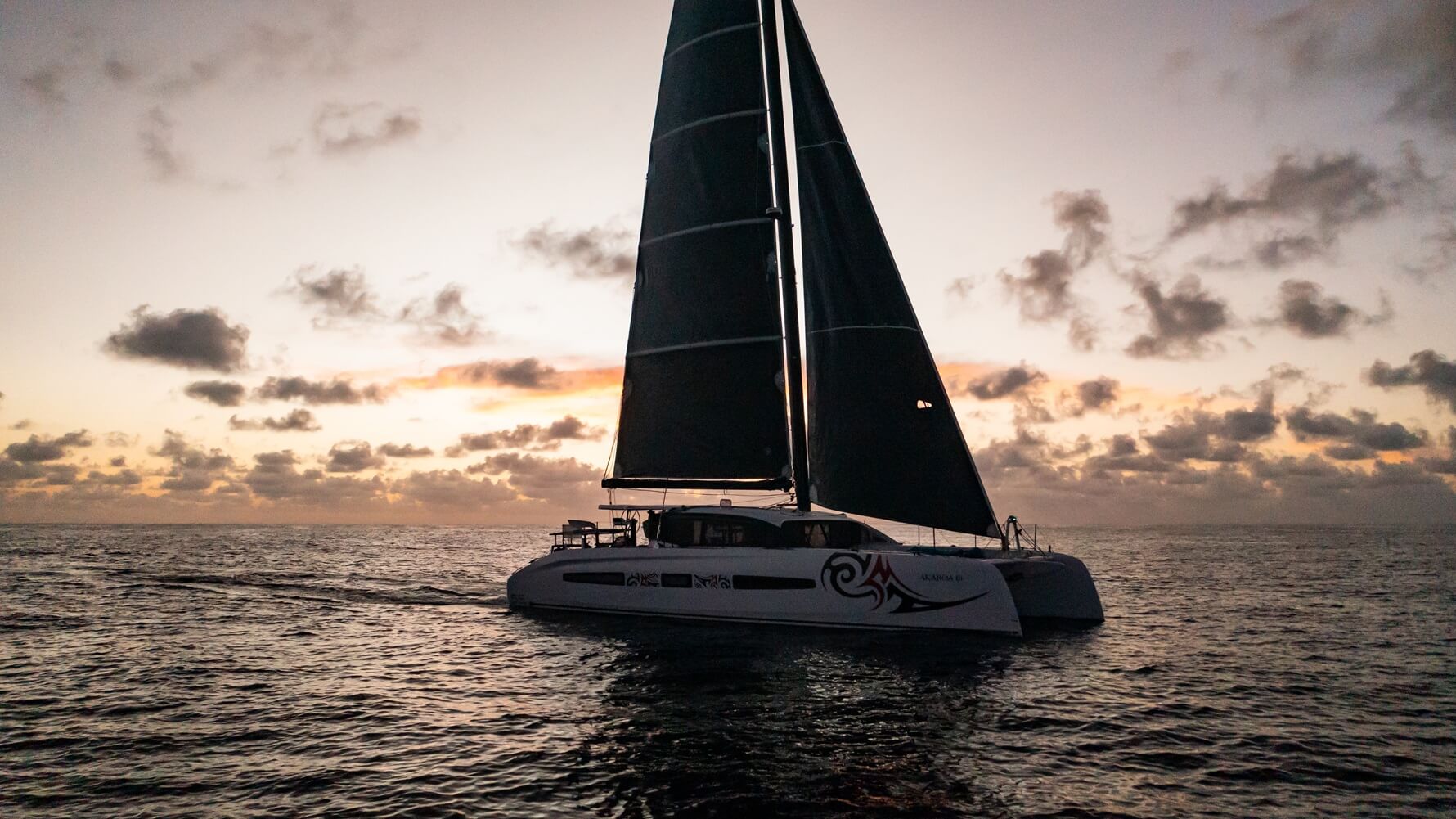
Owning a catamaran represents freedom, comfort, and the ability to explore oceans with remarkable stability and space. Multihulls are increasingly popular among serious sailors, liveaboards, and long-range cruisers because they offer better onboard living areas and impressive performance for extended voyages.
However, purchasing a catamaran is only the beginning. Like any high-value asset, the true cost of catamaran ownership includes ongoing operational, maintenance, and lifestyle expenses that buyers should understand before committing.
About the role
Based from our waterfront office and marina in Rozelle Bay, Sydney, we are a boutique charter management business that manages an exclusive fleet of sailing and power cruising catamarans, in conjunction with parent company and yacht sales company Multihull Central.
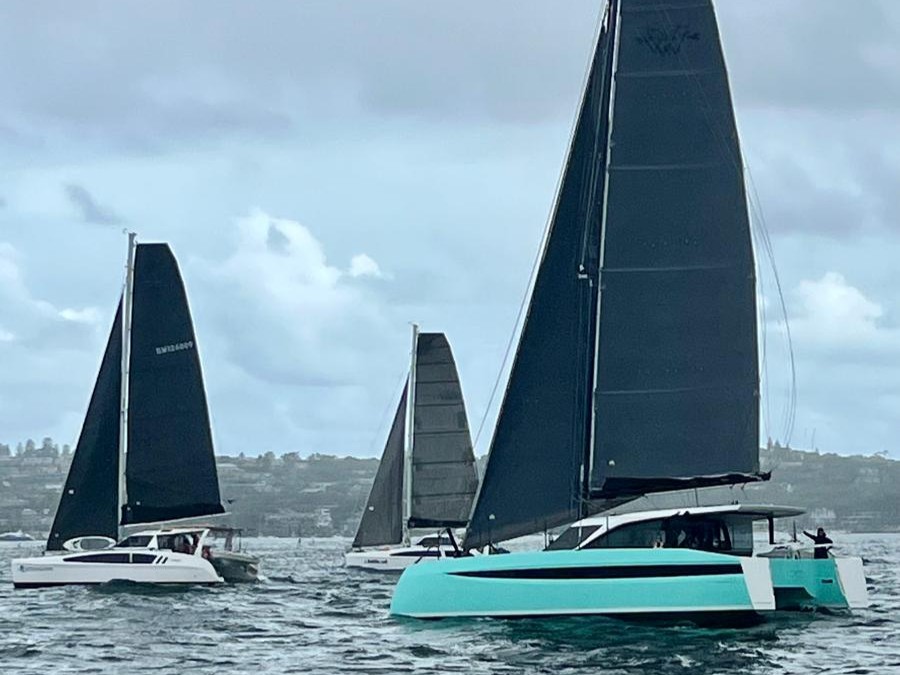
Multihull Central in conjunction with the Multihull Cruising Yacht Club Inc. hosted the Sydney Multihull Regatta sponsored by Seawind Catamarans, with a great turn up of 15 multihulls including both a fleet of Seawinds plus a mix of other boats including a Chris White 48, HH Catamarans 44, Corsair 760 and Avalon 9 trimaran.
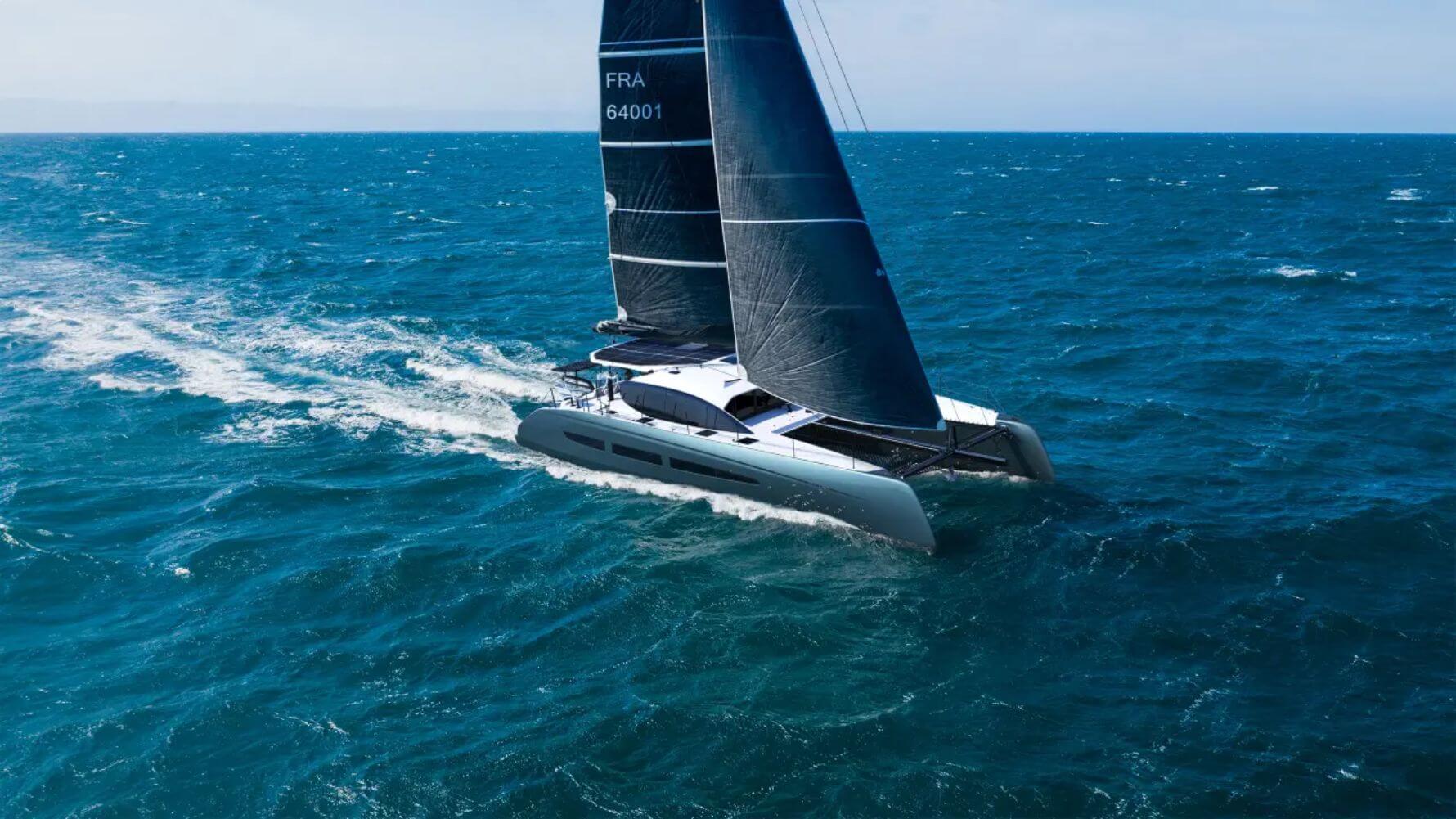
Buying a catamaran is a significant investment — financially, emotionally, and lifestyle-wise. Whether you’re planning coastal cruising, long-term liveaboard life, or bluewater sailing, choosing the right vessel is essential.
People who search for “catamarans for sale in Australia” are looking for more than just listings—they are seeking assurance. Confidence that the boat is suitable, well-built, and appropriate for its intended purpose.
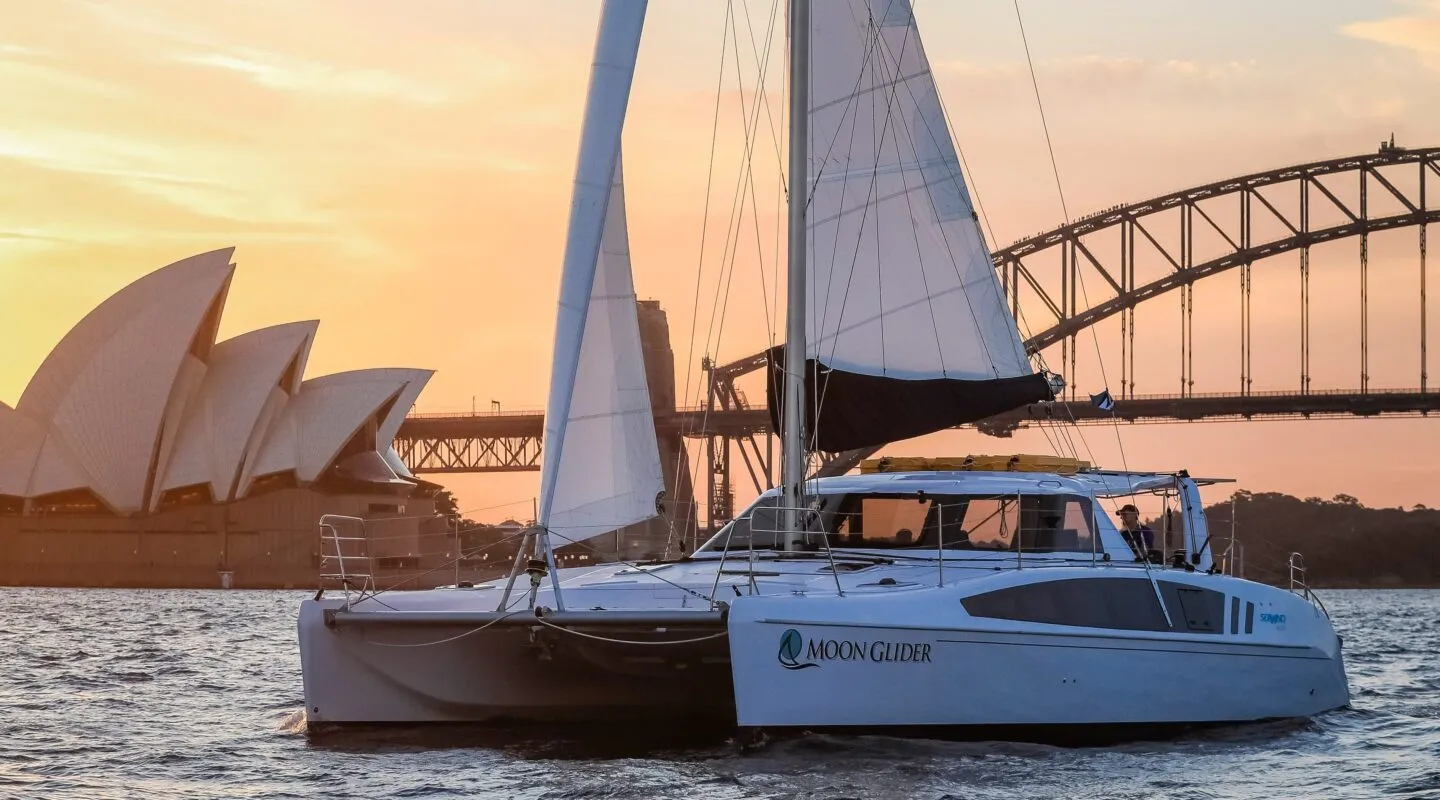
Choosing the correct catamaran is an important decision. With so many multihull designs available, purchasers frequently compare specifications without fully comprehending how each boat performs in actual Australian conditions.
Multihull Central focuses solely on multihulls. Every day, we interact with buyers looking for catamarans for sale in Australia, helping them determine which designs best suit their sailing plans, experience level, and long-term objectives.
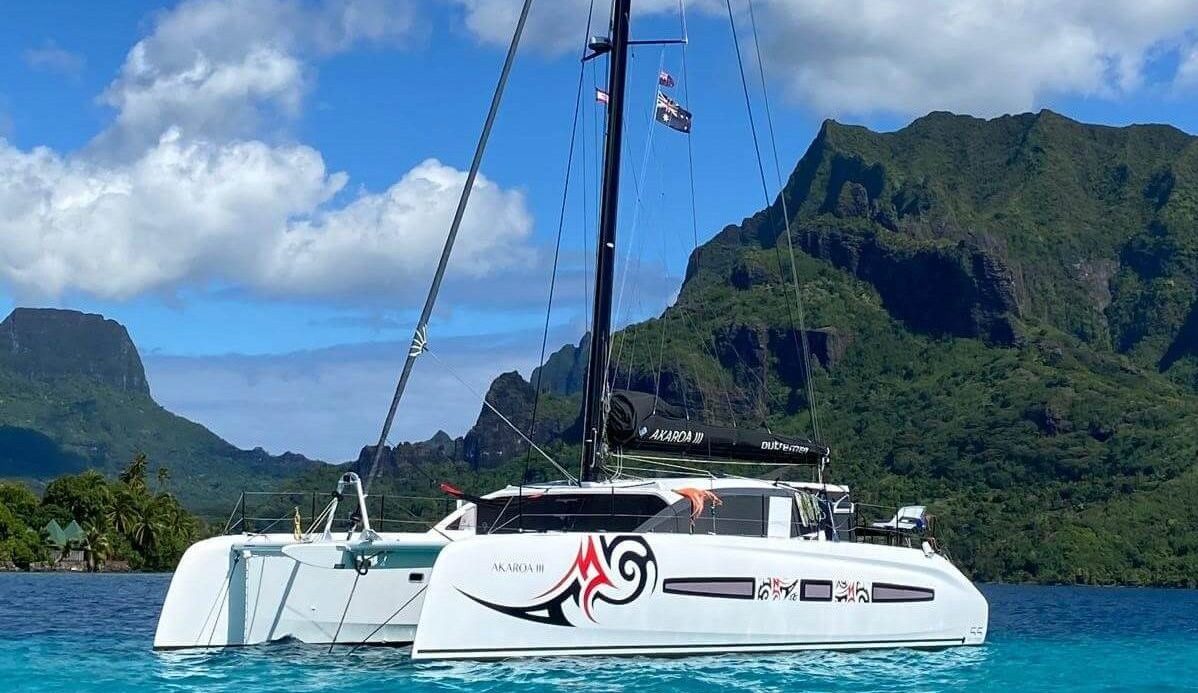
My wife Tracey and I come from Sydney Australia. We recently completed a circumnavigation of the world. As a short summery we sailed over 35,000 nautical miles, we took four years to achieve this and we visited over 40 countries. Was it all we hoped it would be? Absolutely and then more. Was it challenging? Yes at times however also extremely rewarding. Did we choose the right Yacht for the Job? For us this was the perfect choice. Very Strong, well built, fast, comfortable and she looks great 😃. Would we recommend this journey to others? Yes in a heart beat.
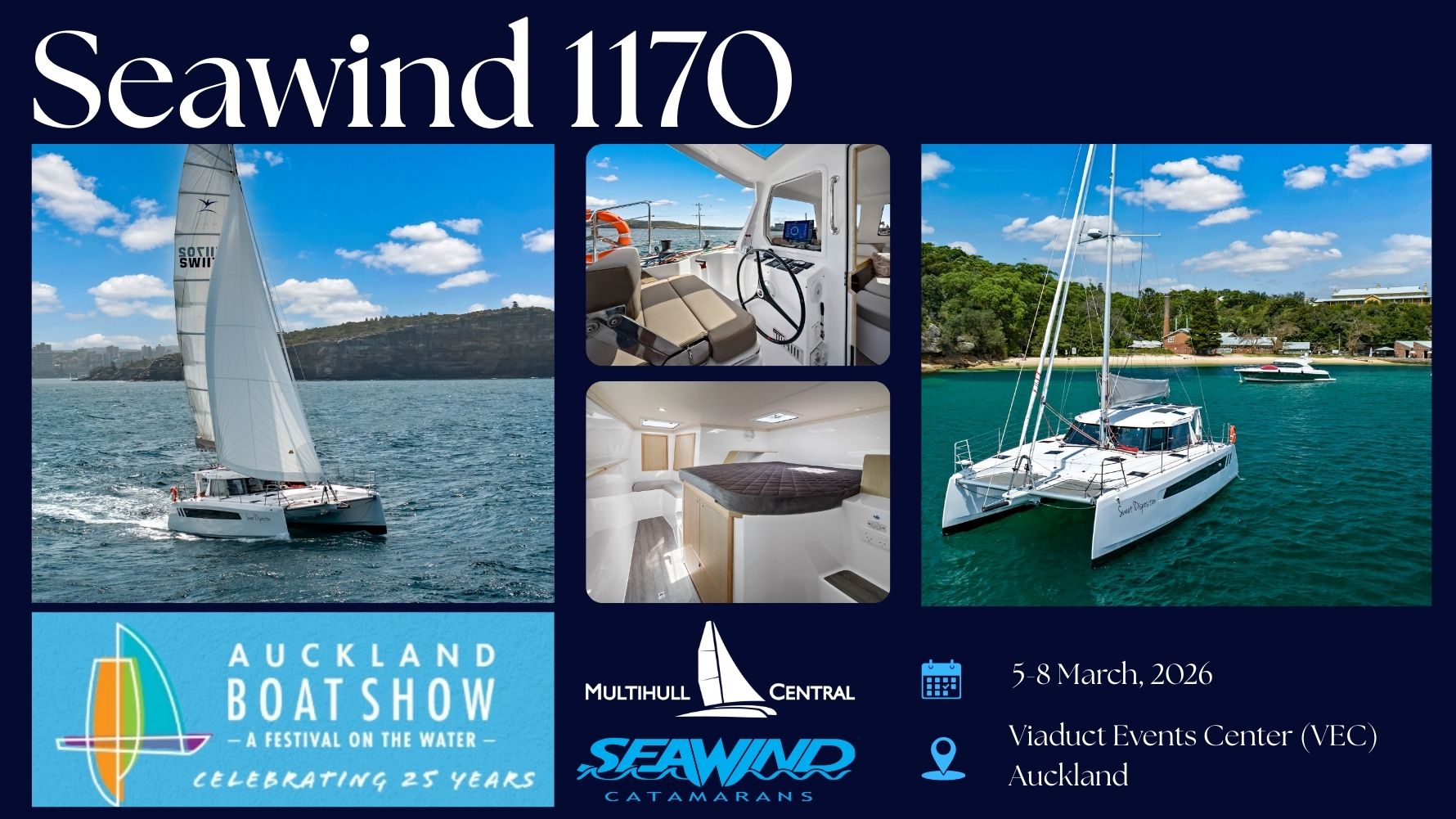
FOR IMMEDIATE RELEASE
Auckland, New Zealand – 3 February 2026
Seawind Catamarans return to New Zealand with purpose and momentum, unveiling the award-winning Seawind 1170 at the Auckland Boat Show from 5–8 March.
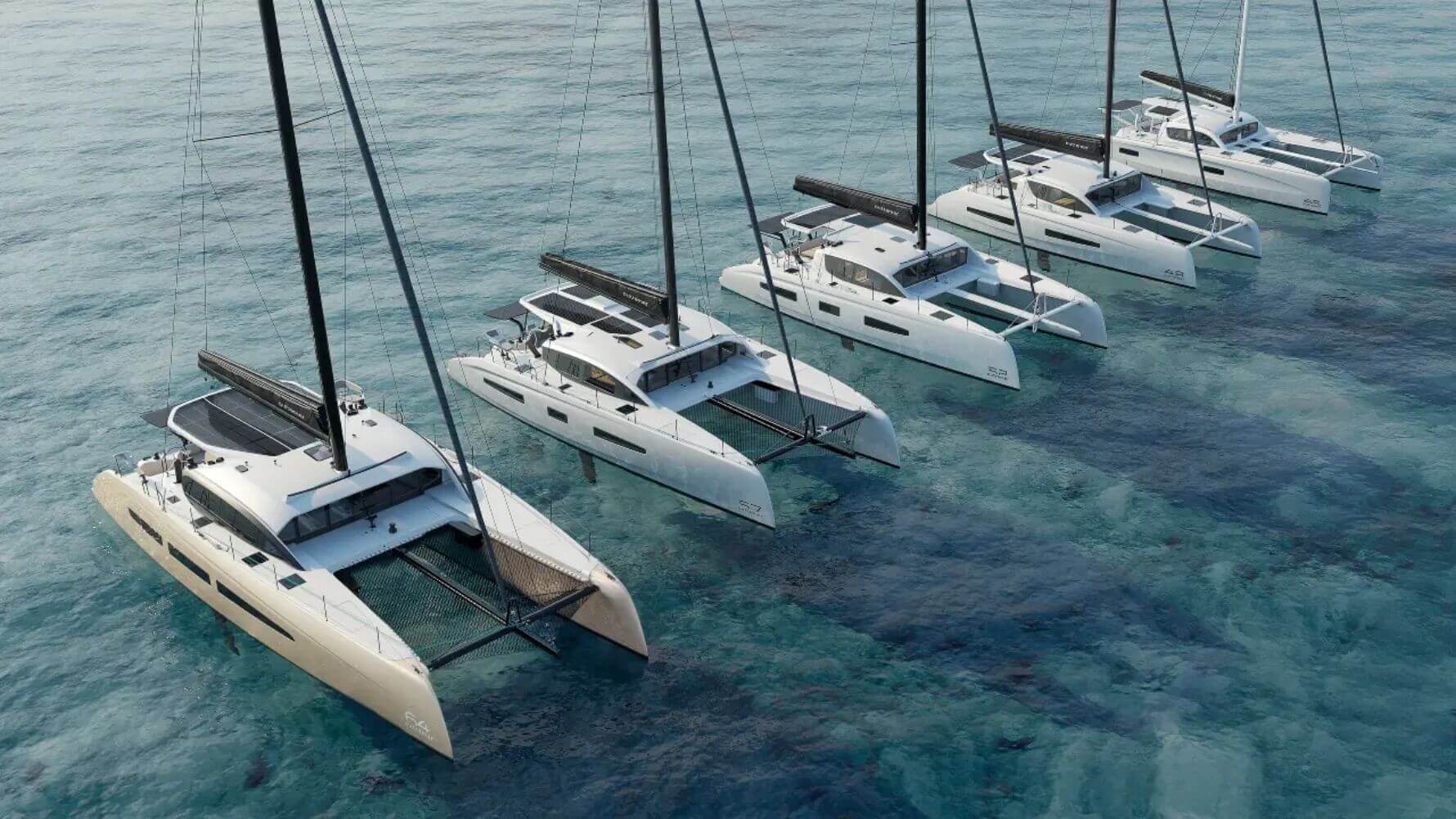
AVAILABLE FOR IMMEDIATE RELEASE…
Sydney, Australia – 04 February 2026
Multihull Central is pleased to announce its appointment as the exclusive dealer for Outremer Catamarans across Australia, New Zealand, and Fiji. Under this new partnership, Multihull Central will also serve as the exclusive brokerage partner for Outremer vessels throughout the region
AVAILABLE FOR IMMEDIATE RELEASE…
Sydney, Australia – 23 January 2026
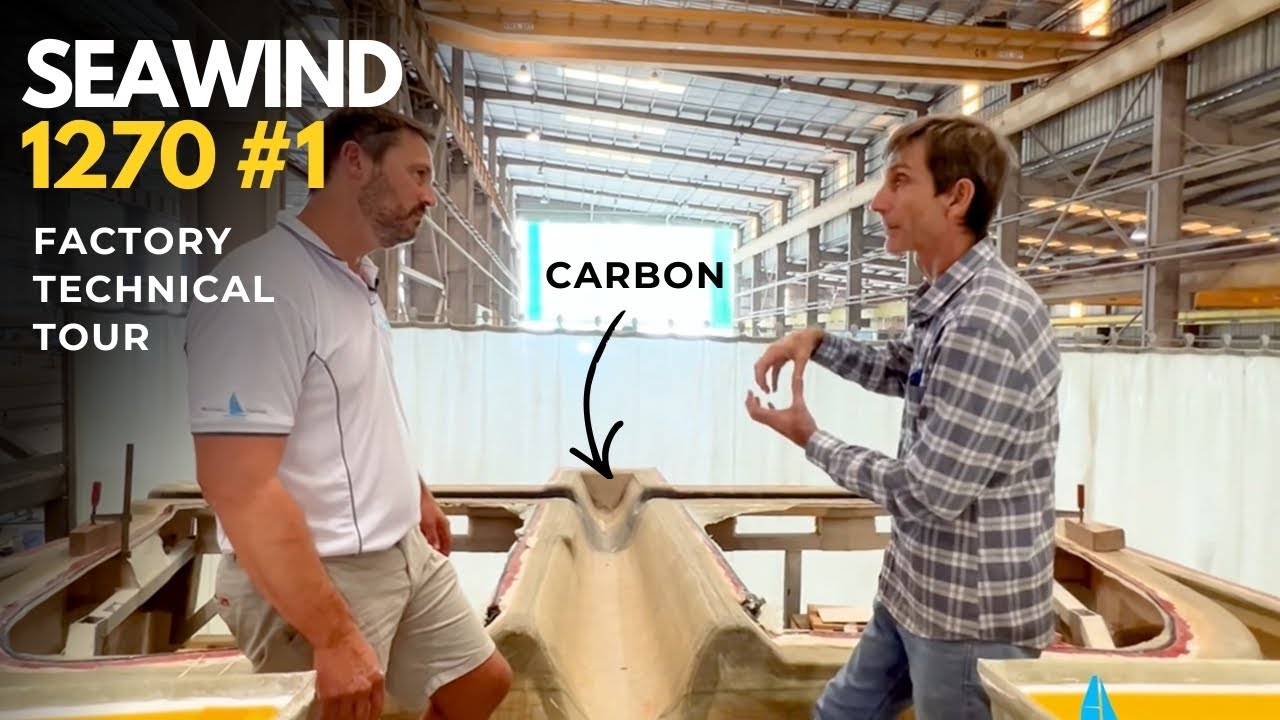
Multihull enthusiasts are getting an exciting glimpse into the future of performance cruising as Seawind Catamarans advances construction of the very first Seawind 1270. On a recent tour of the Seawind production facility in Vietnam, we joined a new Australian owner walking through his customisation options and witnessing the craftsmanship behind this next generation model.
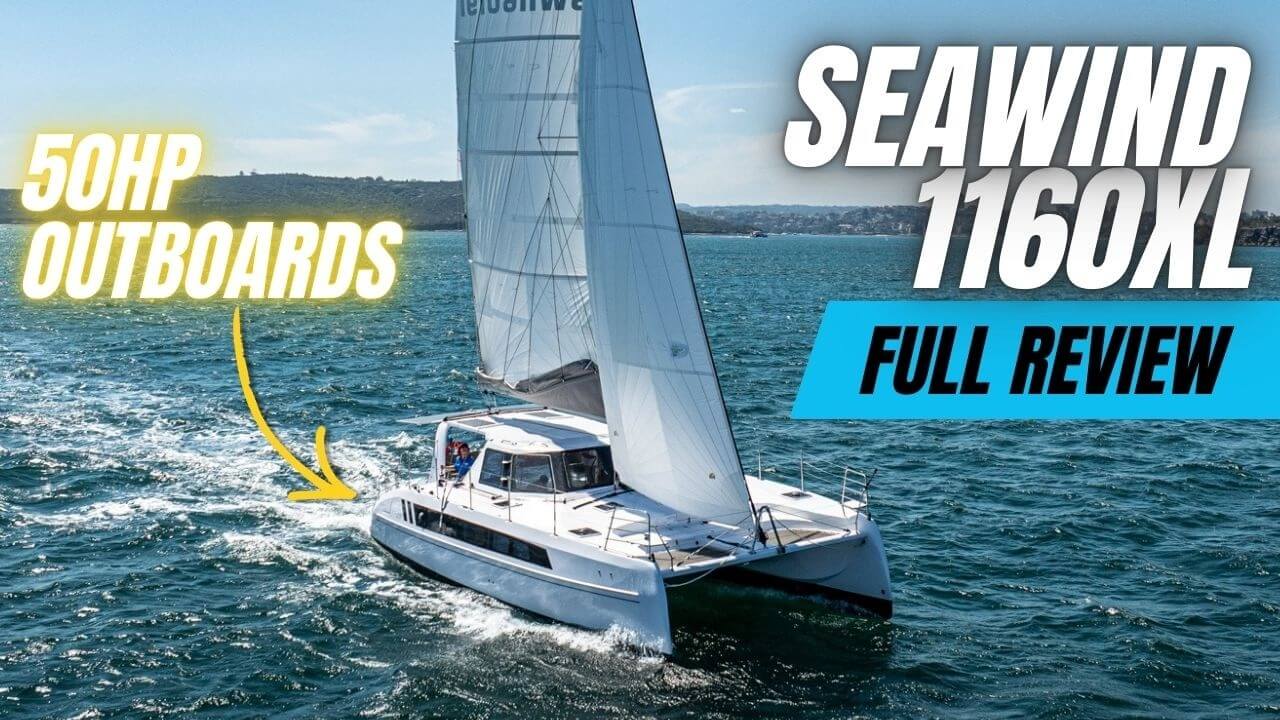
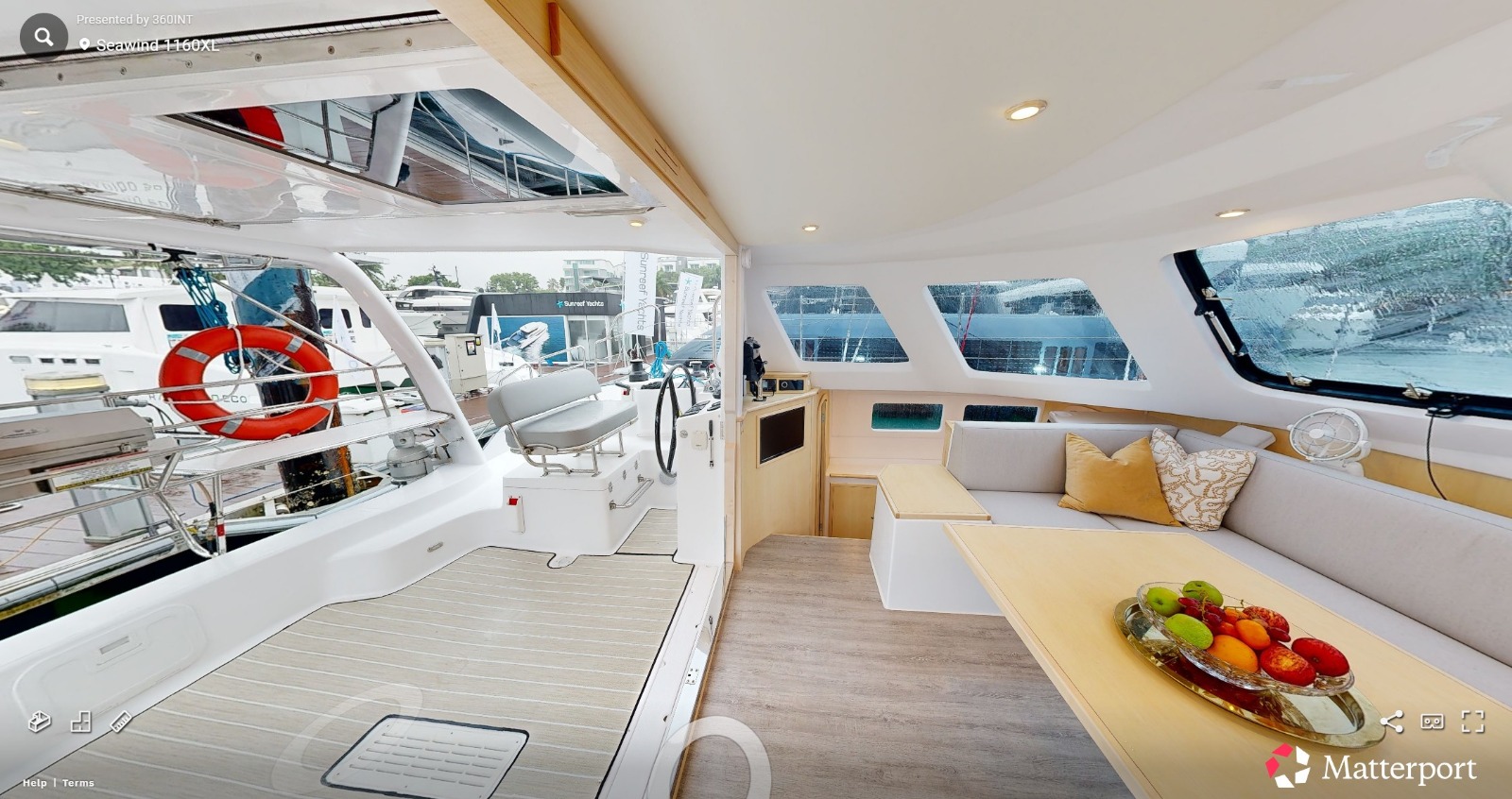
Testing the Seawind 1160 XL: Can Outboards Power a 40ft Cruising Cat?
The latest Seawind 1160 XL represents a bold evolution in cruising catamaran design, breaking new ground by pairing a 40-foot platform with twin 50 horsepower Yamaha high-thrust outboard engines challenging conventional thinking about propulsion systems for cruising catamarans.

We recently had the pleasure of handing over a new Seawind 1260 in Sydney after it was shipped to Australia. After a 4 year wait, overcoming various challenges along the way, the owners finally took delivery and sailed her back to their home port in Victoria. Below is a delightful message just received of their experience…
Cruising Thailand’s Islands: First Look at the Seawind 1160 XL
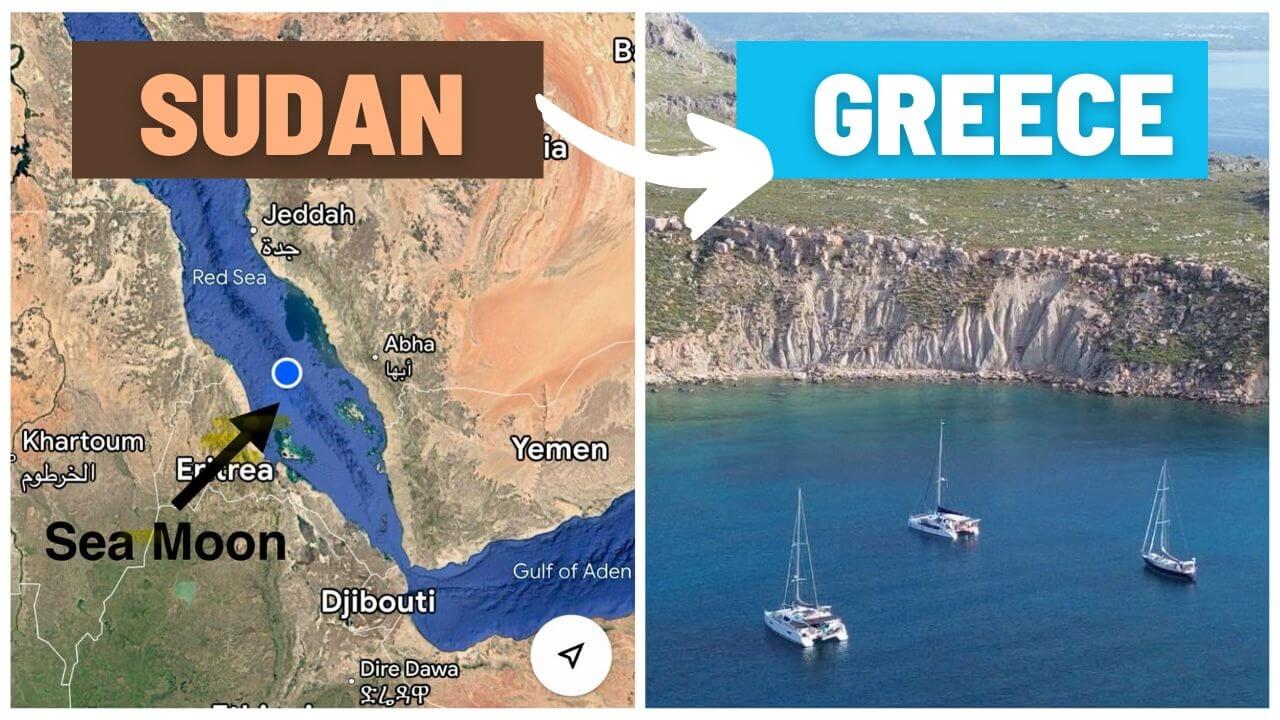
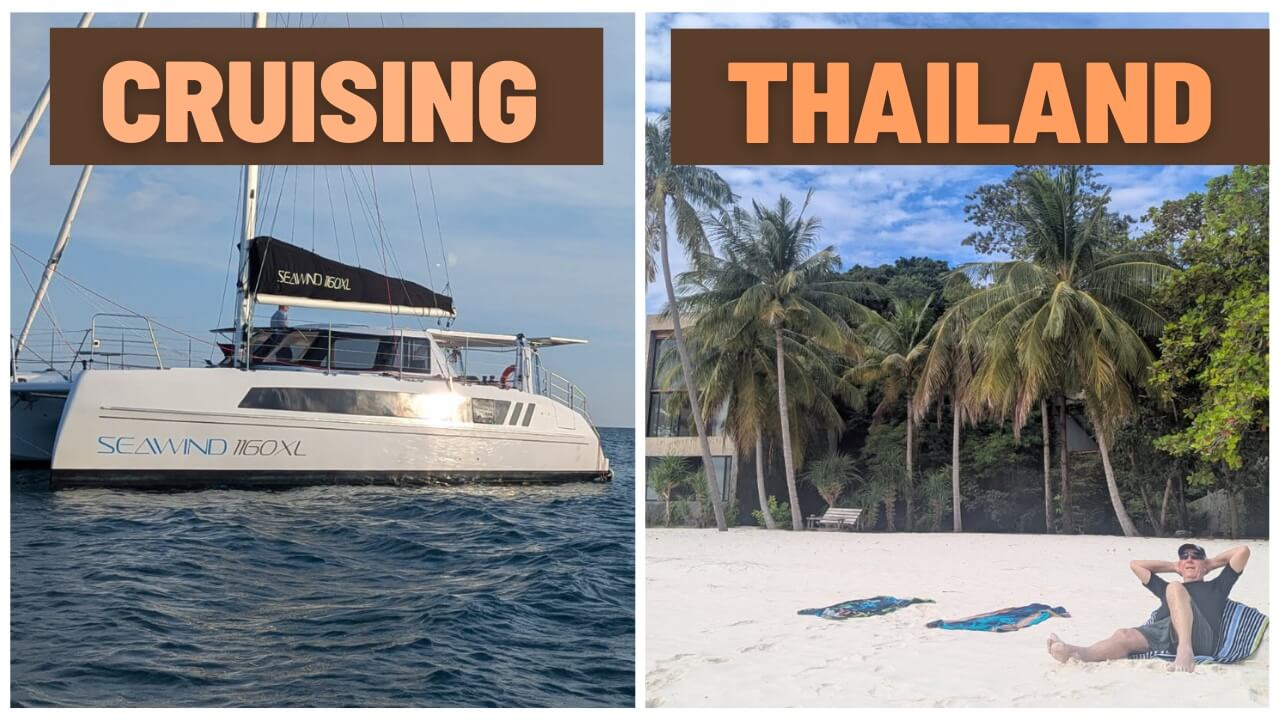
David Cox, owner of a Seawind 1160 Light and Vice Commodore of the Multihull Cruising Yacht Club in Sydney, recently returned from a week-long adventure sailing Thailand’s Koh Chang Islands aboard the brand-new Seawind 1160 XL—serial number one, no less. His experience offers valuable insights for anyone considering Thailand as a cruising destination or evaluating the XL model’s capabilities.
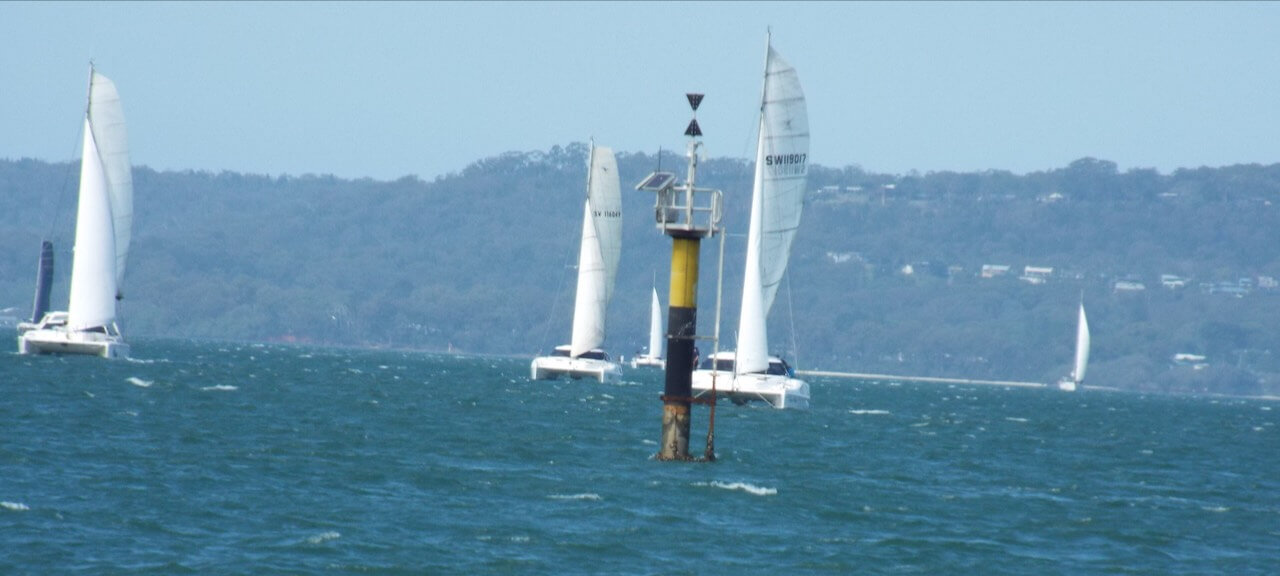
Seawind Catamarans has a proud history of supporting its owners in many ways, one of the more notable being the conduct of rallies and regattas all over the world. In Australia these have occurred in Perth, Melbourne, Sydney, Whitsundays and Brisbane.
The Brisbane event has a long history. Indeed it was an an event in 2008 that I was invited to crew on a boat, Next Phase, and as a result ordered my first Seawind. So in 2025, after a false start earlier in the year due to adverse weather and a number of other issues we held a very successful regatta on 15, 15 and 16 November. The event was the product of an enthusiastic group of owners.
AVAILABLE FOR IMMEDIATE RELEASE…
Sydney, Australia – 3 October 2025
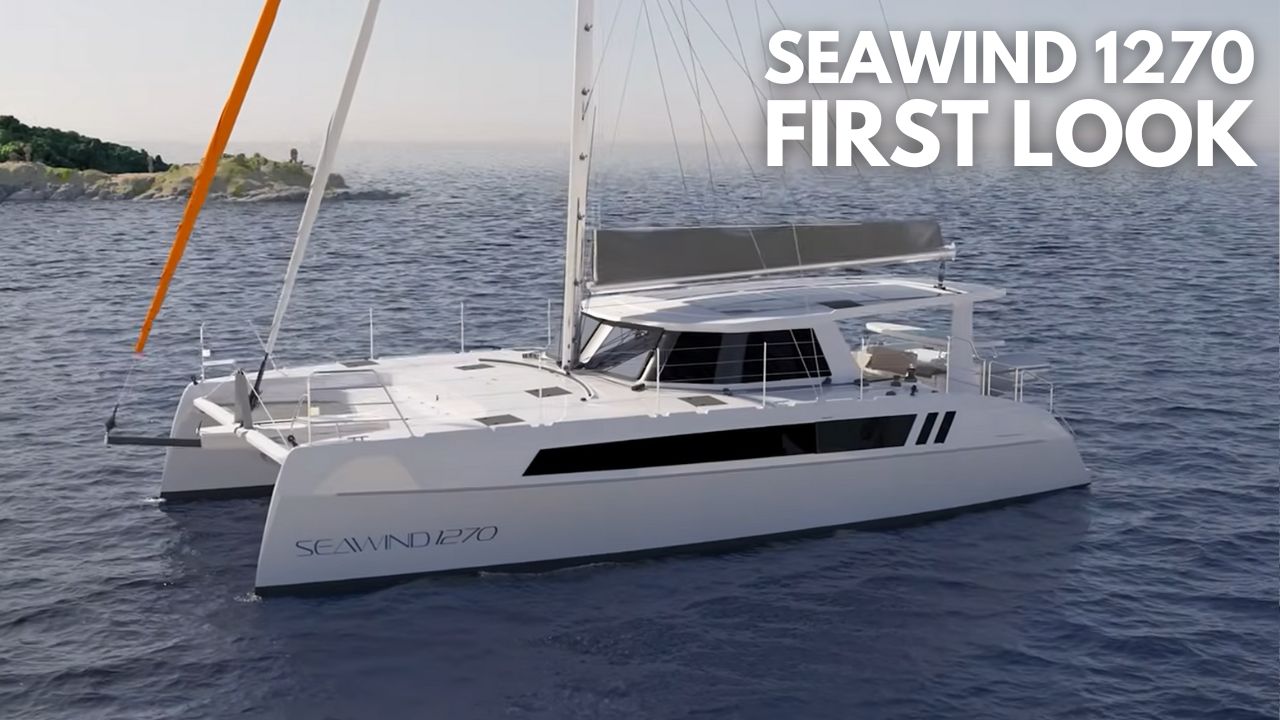
The much-anticipated Seawind 1270 has officially launched, and it’s poised to revolutionize the 40-foot catamaran market. This isn’t just an incremental update—it’s a complete redesign that builds on the legendary success of the Seawind 1260 while introducing features never before seen on a Seawind of this size.
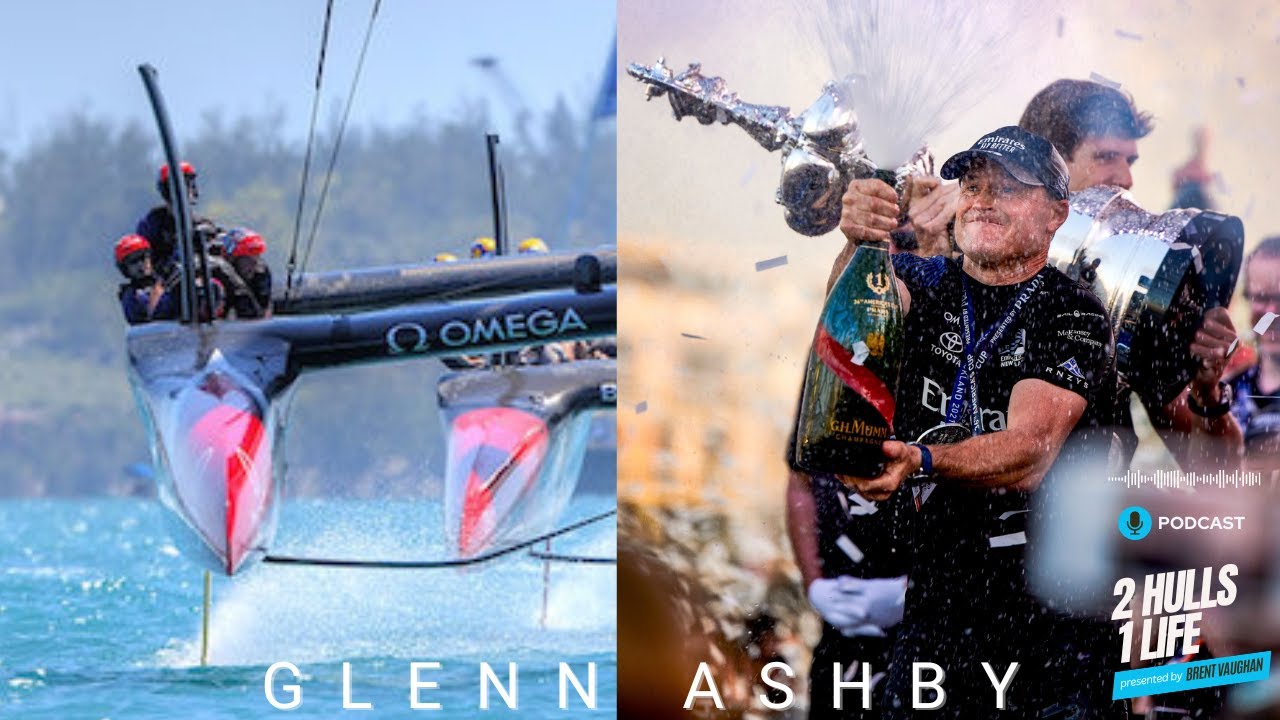
From America’s Cup to Catamaran Cruising: The Epic Journey of Glenn Ashby
Brent Vaughan interviews Catamaran racing legend and America’s Cup hero, Glenn Ashby about his wild achievements that led him to become the fastest sailor alive and now cruising on the cruising lifestyle on a catamaran.
Glenn Ashby’s path to becoming sailing’s fastest catamaran legend began with a childhood moment that would define his career. At just three years old, sitting on the side of his father’s Arrow catamaran, he experienced the magic of a hull lifting clear of the water—everything going quiet as the boat accelerated smoothly through the breeze. “I was like, ‘Wow, this is unbelievable,'” Ashby recalls. “I really like going fast and I love flying a hull.”
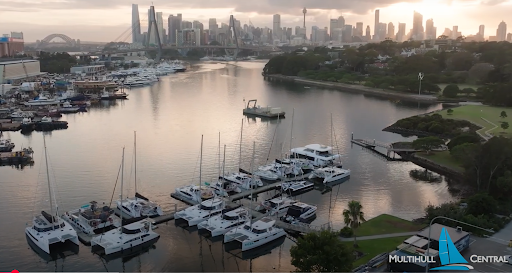
Selling a catamaran is a major decision, and getting it right can make all the difference. Success comes down to the 4 P’s — Product, Price, Place, and Promotion. Present your boat like an open home with repairs, cleaning, and styling done upfront to avoid objections. Set the right price based on actual sold-boat data, not just online listings, to capture serious buyers during the crucial first weeks. Location matters too — marinas with easy access, services, and strong buyer demand (like Sydney, Gold Coast, or Opua) can speed up sales. Finally, a strong marketing mix is essential: professional photos, online listings, social media, YouTube, eDMs, and boat shows ensure your catamaran reaches the right global audience.
AVAILABLE FOR IMMEDIATE RELEASE…
Sydney, Australia – 26 August 2025
Seawind Catamarans Unveils All-New 1160 XL: The Evolution of a Legend
Complete redesign of proven offshore performer features over 30 major improvements.
Seawind Catamarans and Australian distributors Multihull Central today announced the launch of the highly anticipated next generation Seawind 1160 XL at the upcoming Sydney International Boat Show in November.
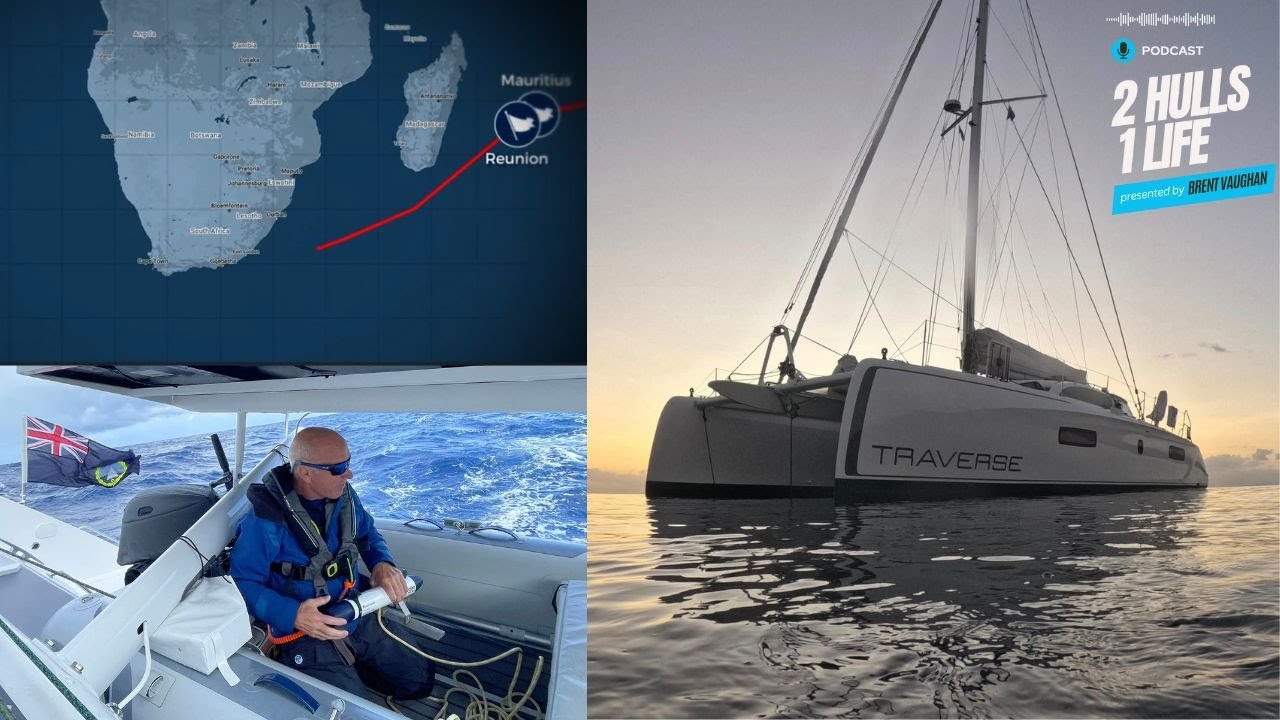
From New Zealand to France: A Professional Sailor’s Journey Home in an Outremer 51
When veteran ocean racer Mike Golding decided to transition from competitive sailing to family cruising, he knew exactly what he was looking for. The former Vendée Globe competitor, who had completed six around-the-world races in his illustrious career, needed a vessel capable of serious ocean passages while providing the comfort and space his family deserved. His choice? A late-model Outremer 51 purchased through Multihull Central’s New Zealand operation.

AVAILABLE FOR IMMEDIATE RELEASE…
Sydney, Australia – 14 August 2025
A new sailing podcast has been launched called ‘2 Hulls 1 Life’ hosted by Brent Vaughan, Managing Director of Multihull Central, who interviews inspirational sailors about their adventures cruising the world onboard their catamarans.
The show is designed to help educate, inform and inspire anyone who has considered the cruising lifestyle and explores subjects such as the Pacific rally, Sail Malaysia Rally, professional delivery crews, charter boat ownership, Seakeepers research and major passages crossing the Indian and Pacific Oceans. It will also delve into the design attributes of various cruising catamarans.
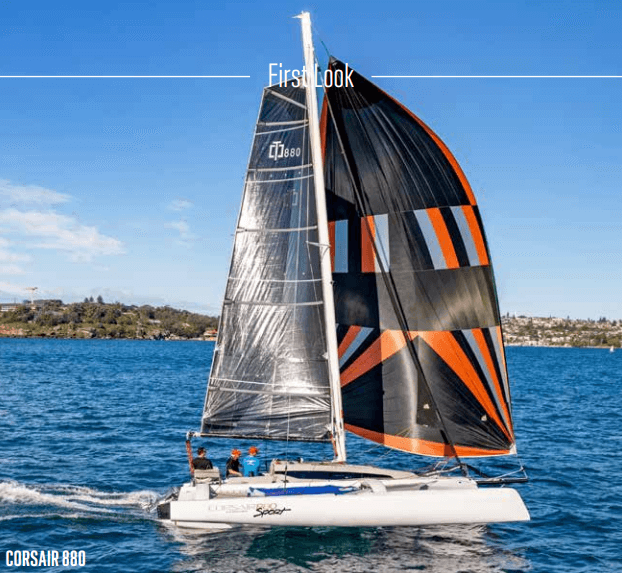
Fourteen knots of boat speed closehauled, 17 on a power reach and 20+ under kite – numbers normally associated with a supermaxi like Comanche, but here we’re referring to a pocket multihull that’s 24.2m shorter and a metre narrower, even with its amas outstretched like albatross wings.
The Corsair 880 is way easier to sail and considerably cheaper, and you can forget expensive ocean deliveries, marina fees,
slipping costs and the like. Drop the rig, raise the centreboard, fold the floats to reduce beam to 2.5m, then haul the little tri onto a dual-axle alloy trailer.
From Charter Investment to Pacific Paradise: How One Couple Made Their Cruising Dreams Reality
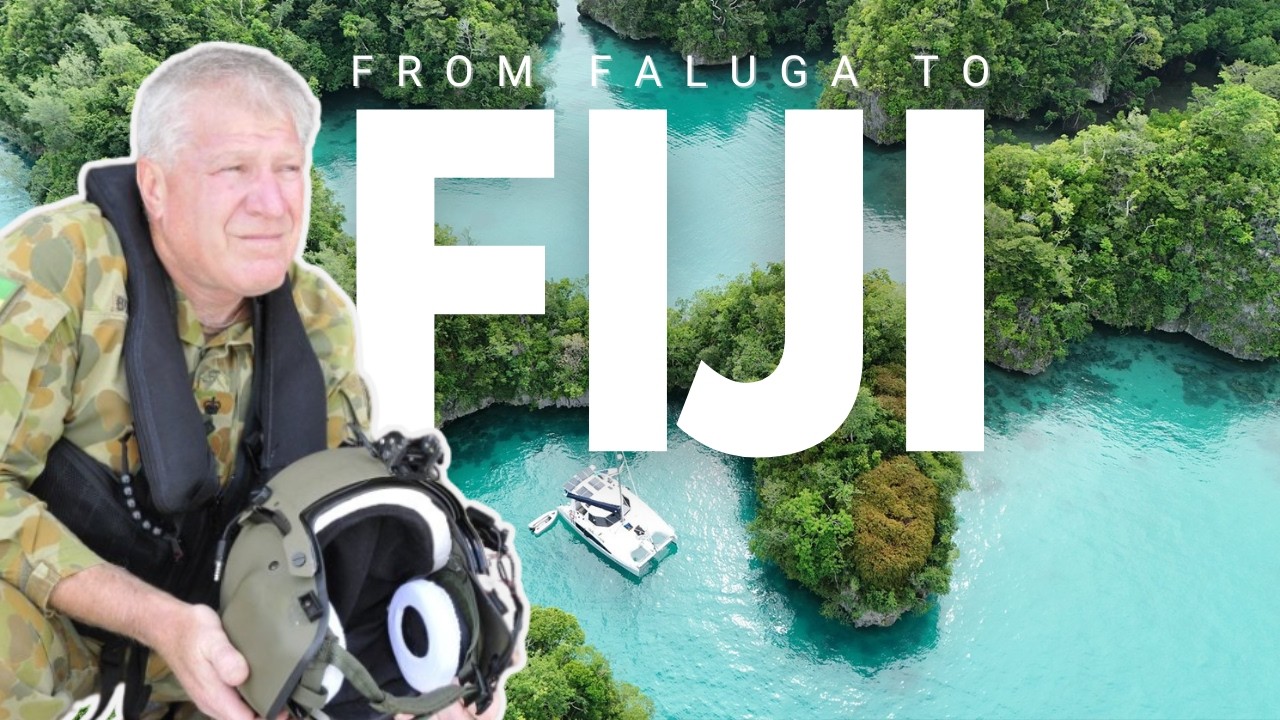
When Colonel David Burke first bought a Seawind 1160 and put it into charter, he had no idea it would become the foundation for an extraordinary Pacific cruising adventure. Now, sitting in the pristine Lau Group of Fiji aboard his upgraded Seawind 1260, David’s story demonstrates how charter boat ownership can be the perfect stepping stone to achieving blue water cruising dreams.
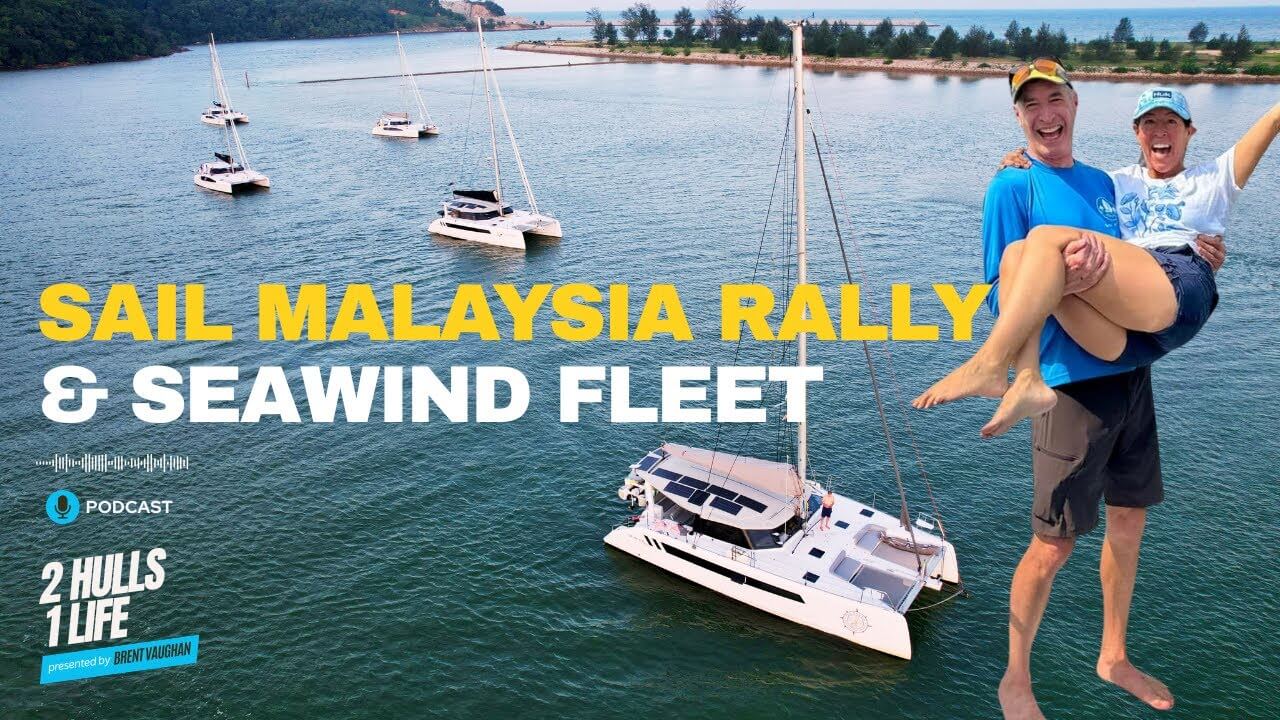
Paul Hooge and his wife transitioned from life in Colorado to full-time cruising after retiring. With little sailing experience, they purchased a Seawind 1370 and decided to commission it in Thailand instead of shipping it home. With support from local expert Phil Harper, they prepared the boat and joined the Sail Malaysia Rally—a multi-month cruising event from Langkawi through Malaysia, Indonesia, and Borneo.
The rally offered a mix of structured events and independent sailing, giving them access to stunning, less-traveled places like the Anambas and Natuna Islands. Along the way, they connected with local communities, joined parades, and received warm welcomes from various ports.
Despite initial inexperience, they successfully navigated the rally with help from fellow cruisers and the Seawind 1370’s performance. Paul praised the boat’s comfort, handling, and visibility, calling the journey both challenging and unforgettable.
AVAILABLE FOR IMMEDIATE RELEASE…
Sydney, Australia – 16 October 2024
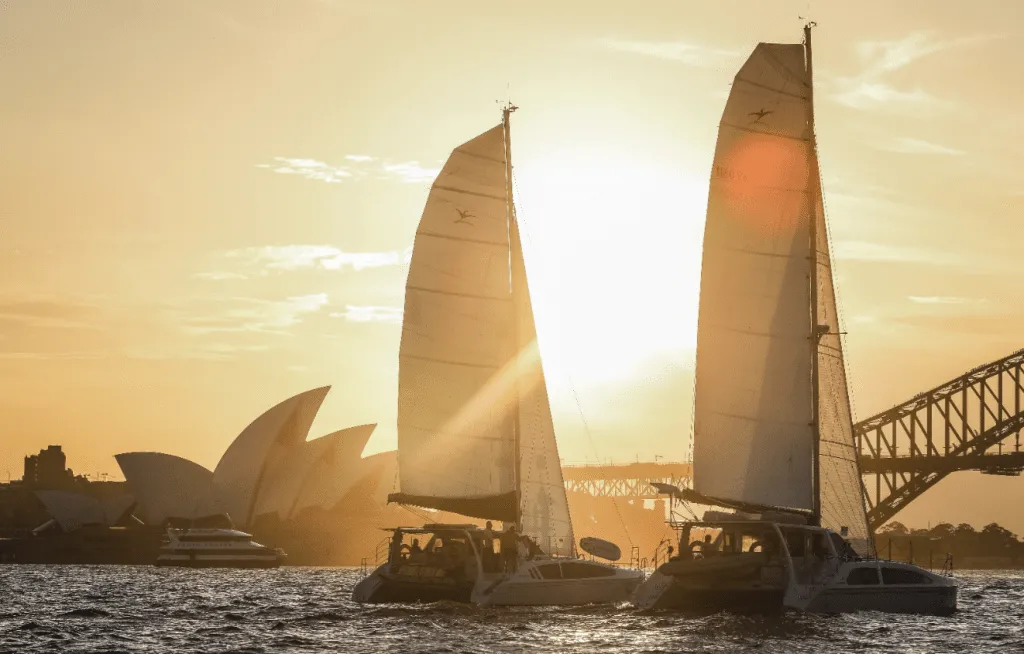
Multihull Central are excited to announce an all-new Regatta on Sydney Harbour dedicated to Multihulls, with an offer extended to all cruising and racing catamarans and trimarans with accommodation, including owners of Seawind, Corsair and all other brands who would like to enjoy racing on the world’s greatest harbour.
AVAILABLE FOR IMMEDIATE RELEASE…
Sydney, Australia – 25 September 2024
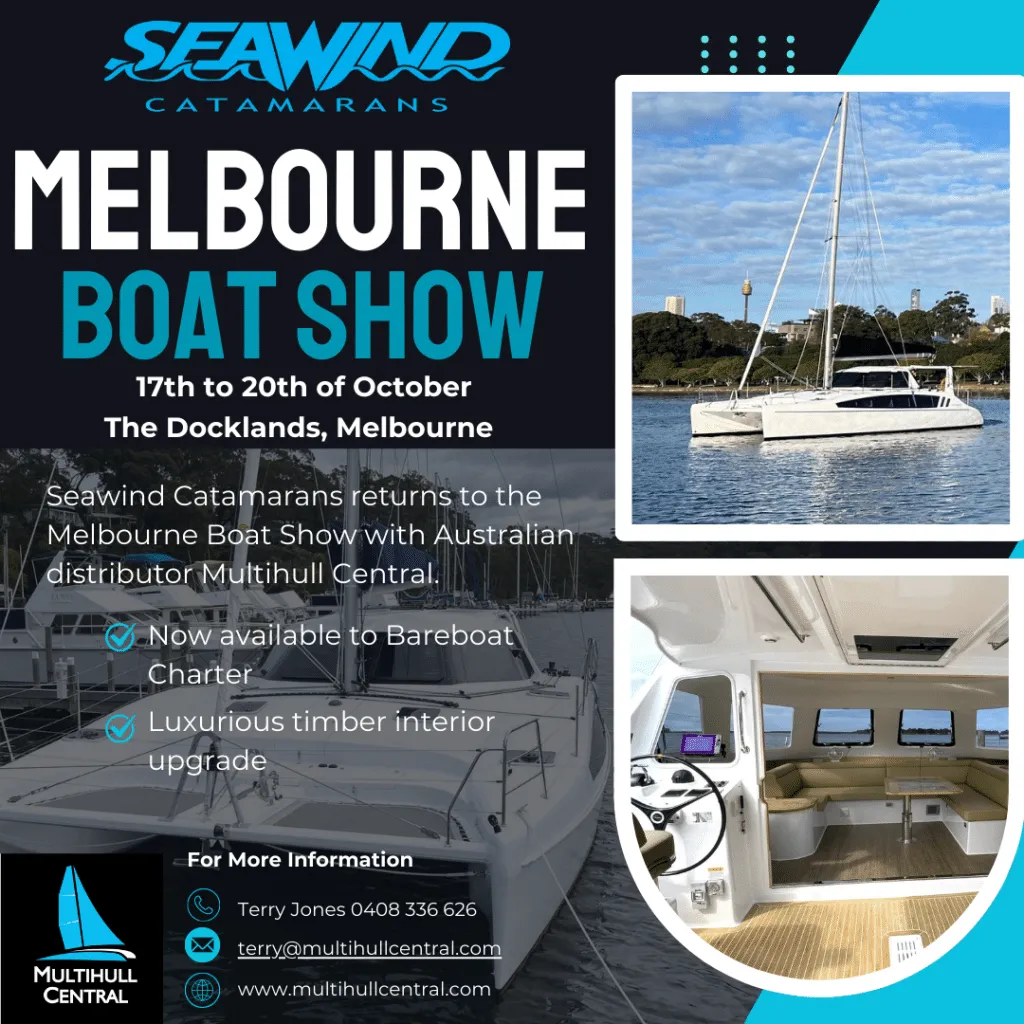
Seawind Catamarans returns to the Melbourne Boat Show with Australian distributor Multihull Central, showing a brand new Seawind 1160 Lite catamaran now available to bareboat charter with Riviera Nautic on the Gippsland Lakes.
Maritime shepherd the fleet away from a visiting whale.
It’s certainly been a different winter on Sydney Harbour than usual, while there’s been plenty of sunshine, the breeze has not been so forthcoming. Normally winter consists of light sou-easters and the occasional fresh westerly, this time we’ve had gloriously sunny days with westerlies around five knots or lower, week after week, with a number of races abandoned as a result.
AVAILABLE FOR IMMEDIATE RELEASE…
Sydney, Australia – 5th September 2024
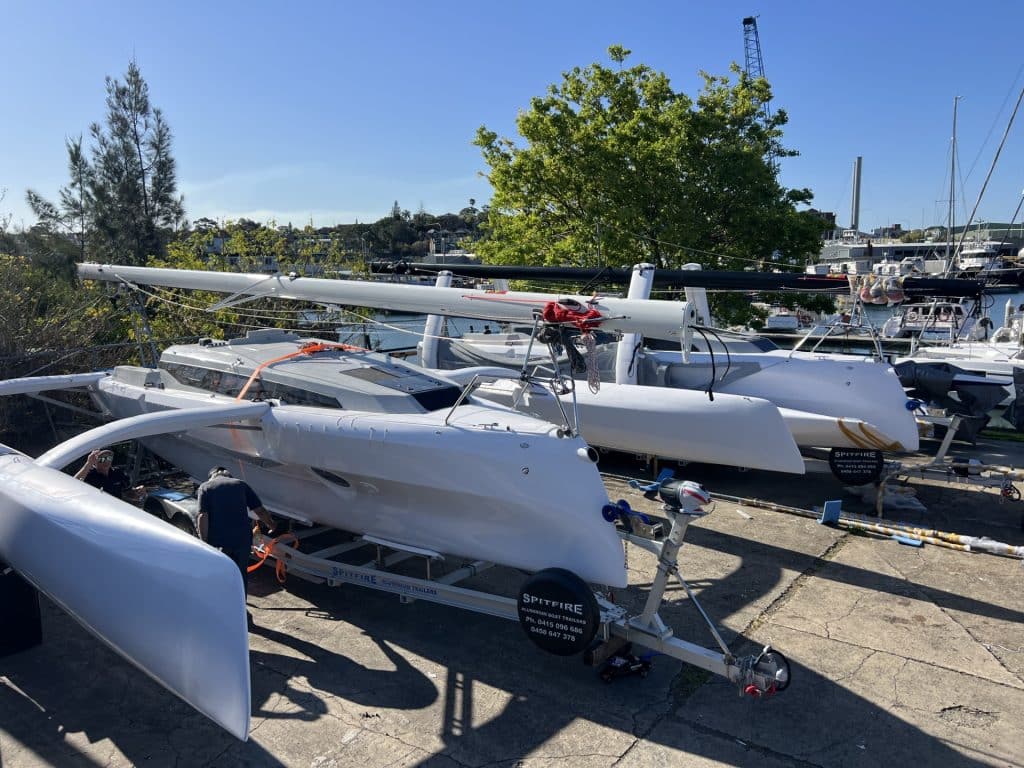
The world’s most popular sailing trimaran is making a resurgence in Australia with two brand new pre-sold Corsair 880s arriving in Sydney this week for assembly by distributor Multihull Central, alongside a third also on display.
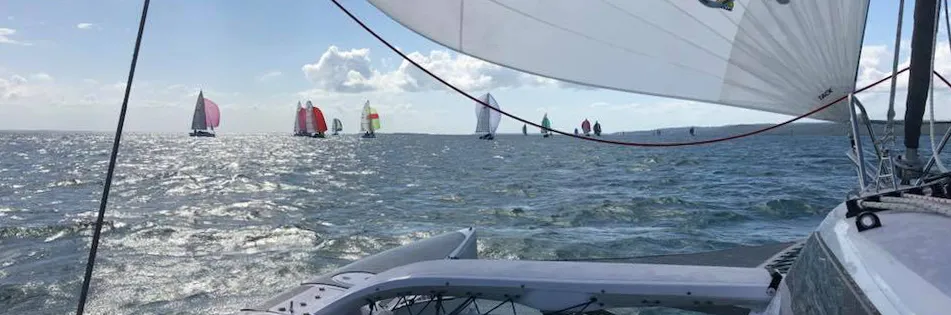
The Bay to Bay Regatta had been on my bucket list for a few years now and seeing this year it landed on my birthday, I decided it was an opportunity not to be missed. So I phoned up my mate Steve Medwell who I used to sail Tornadoes and F18s with and invited him along for a ride. The ride was our new award winning Corsair 760 trimaran.
Whether you are a first time sailor, or an experienced around the world circumnavigator, the iconic Australian-owned and founded Seawind brand has a boat and design for you for all levels of experience and planned adventures. But with four boats that are only a few feet apart in length, it can get tricky to decide which is the right boat to choose and the best fit for you. So, we have put together these special buyers guide to help unpack the design concept behind each and its characteristics, its pros and cons, and who we recommend them for to help you select not necessarily the most expensive boat, but the best boat for you.
Cruz Club is a 12 month program designed to help equip would-be cruisers who are inspired to set off exploring the world by sea but don’t yet have the skills, experience or a boat to do it on and want to get prepared and do it right and avoid making costly mistakes along the way.
AVAILABLE FOR IMMEDIATE RELEASE…
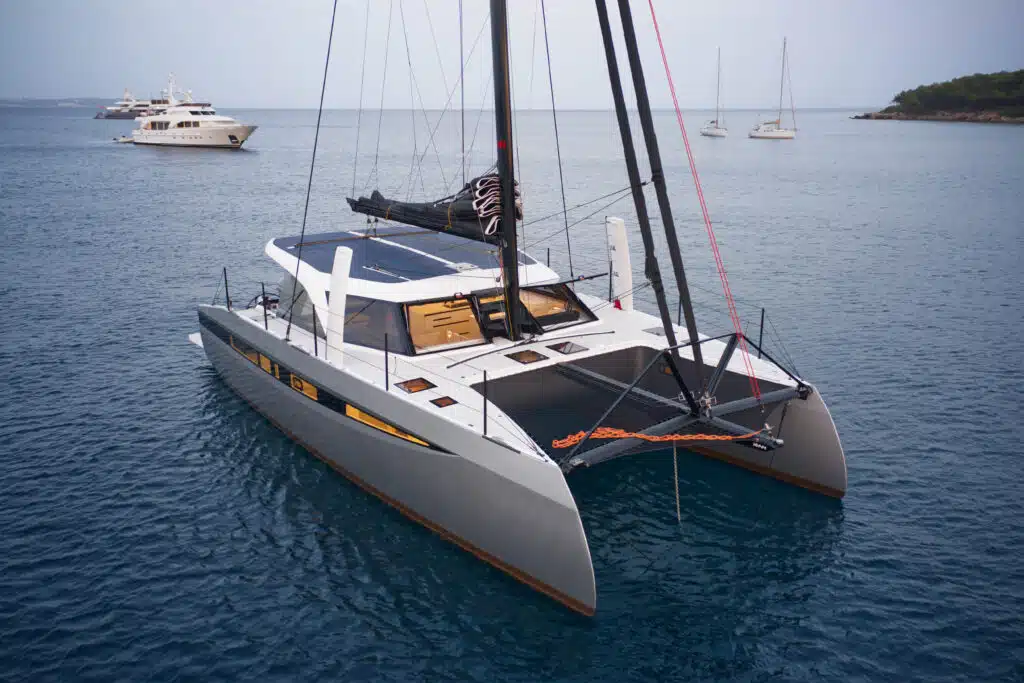
The HH44 was met with enthusiasm and rave reviews at the Cannes Yachting Festival, when it made its international debut last month. Throngs of visitors came out to see the HH44, declaring it “spectacular”, “stunning”, “the future” and “the best boat in the show”.
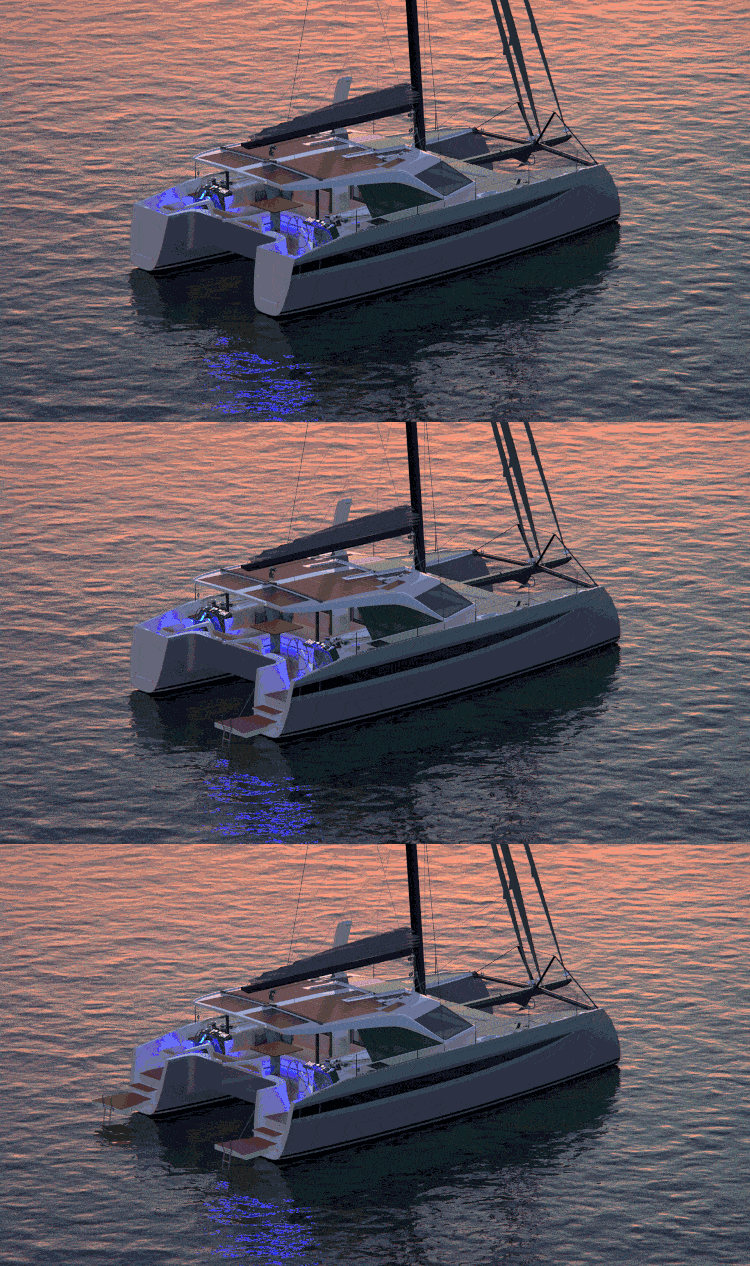
HH Catamarans has named Multihull Central as the exclusive distributor for Australia and New Zealand as the up and coming brand of high performance catamarans releasing some innovative new designs and ramps up production for their new44 and 50foot models.
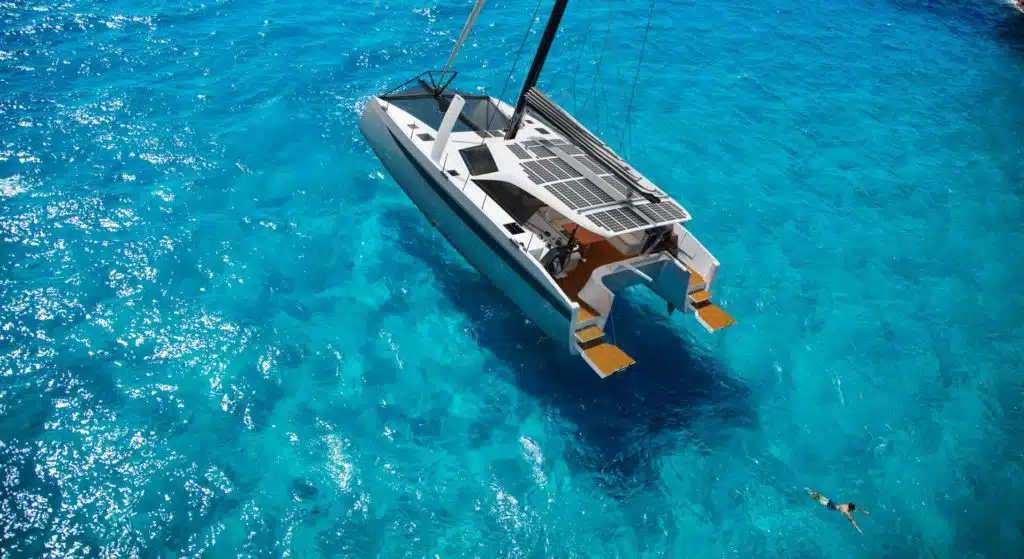
One of the world’s most popular and prolific YouTube sailing channels, Gone with the Wynns, have just announced their purchase of a new ecofriendly hybrid-electric HH44 sailing catamaran. The HH44 ‘Ocean Cruiser’ version is a high-performance cruising catamaran designed to sail around the world sustainably and efficiently while also providing a luxurious living platform for couples and families travelling the world.
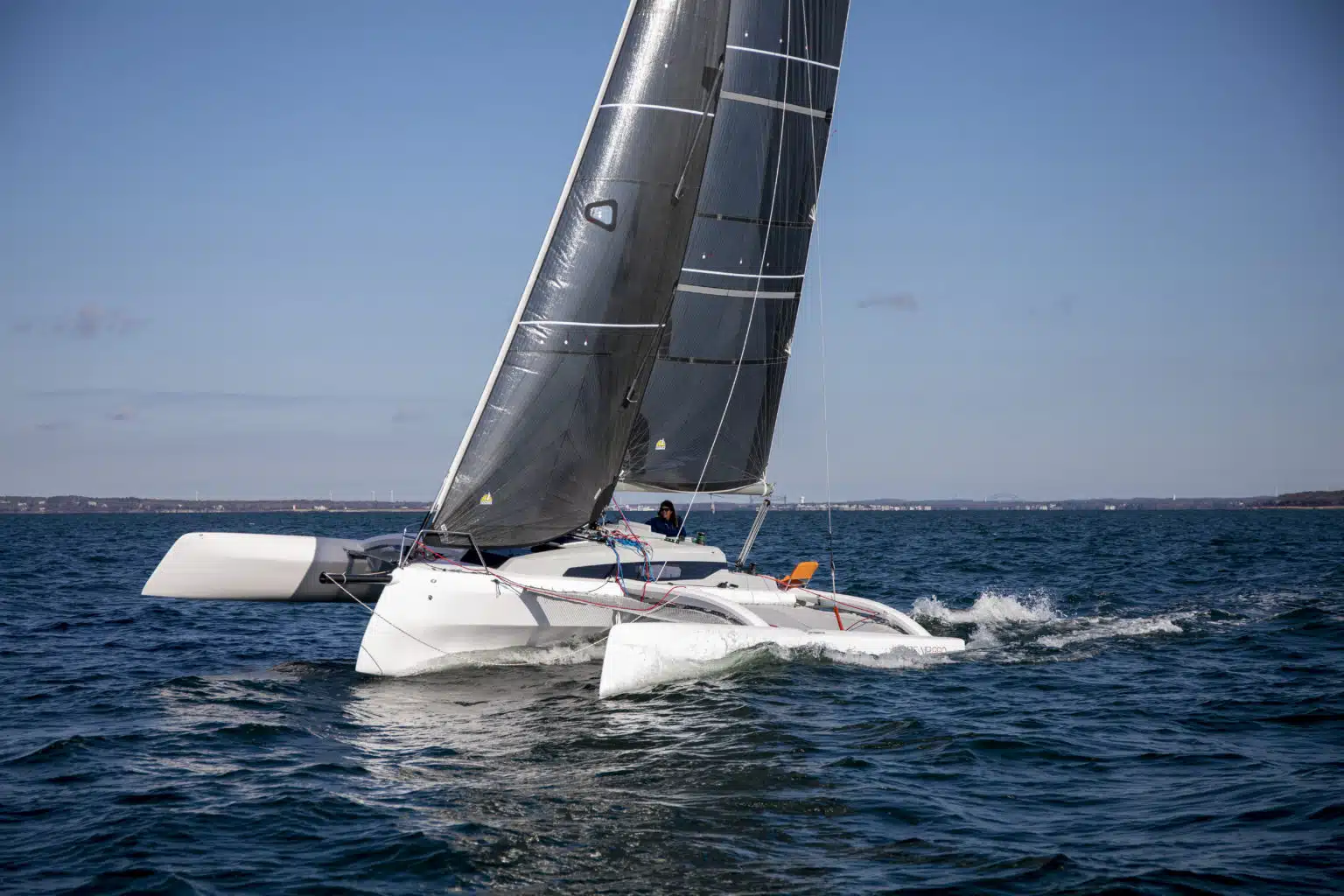
Multihull Central announced the new Corsair 880 is on its way to Australia to be showcased at the upcoming Sydney International Boat Show.
Tips for Delivery by Sea – Asia to Australia / New Zealand
The Summer of 2022 / 2023 has been and interesting journey for many of our customers taking delivery of boats over this period. With country borders being opened up in earnest, this saw new boat owners taking delivery of their cruising catamarans on mass, as we helped coordinate deliveries of 4 x Seawinds and 1 x HH50 from Asia back to Australia and New Zealand. We have gained some new and valuable insights for those considering taking delivery in Asia.
So here are some key points to consider…
AVAILABLE FOR IMMEDIATE RELEASE
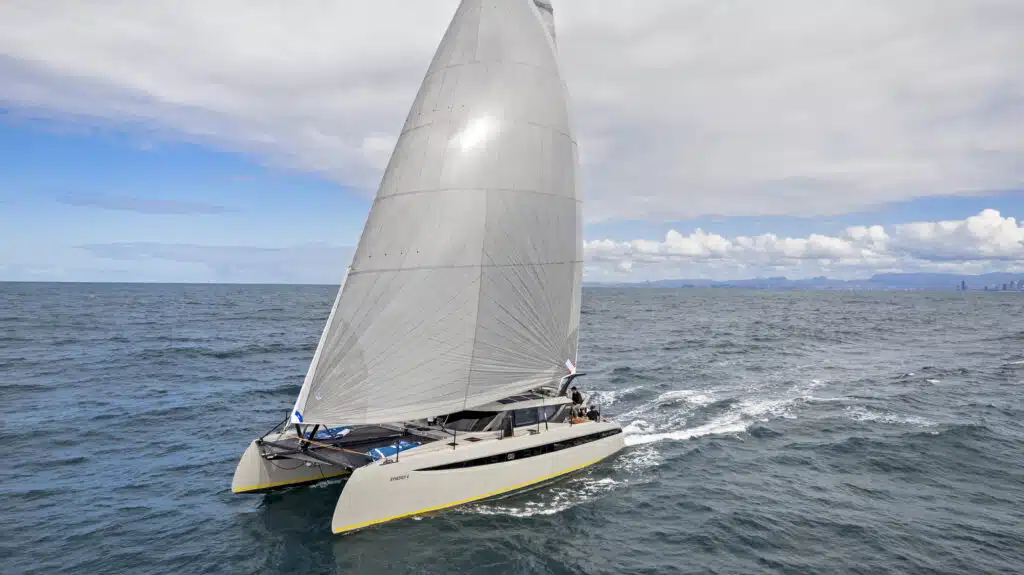
Brent Vaughan from HH Catamarans distributor Multihull Central, takes the HH50-SC ‘Synergy’ out sailing off the Gold Coast to test how it sails in lumpy conditions and light winds. Here is the full account and transcript that accompanies the sailing video.
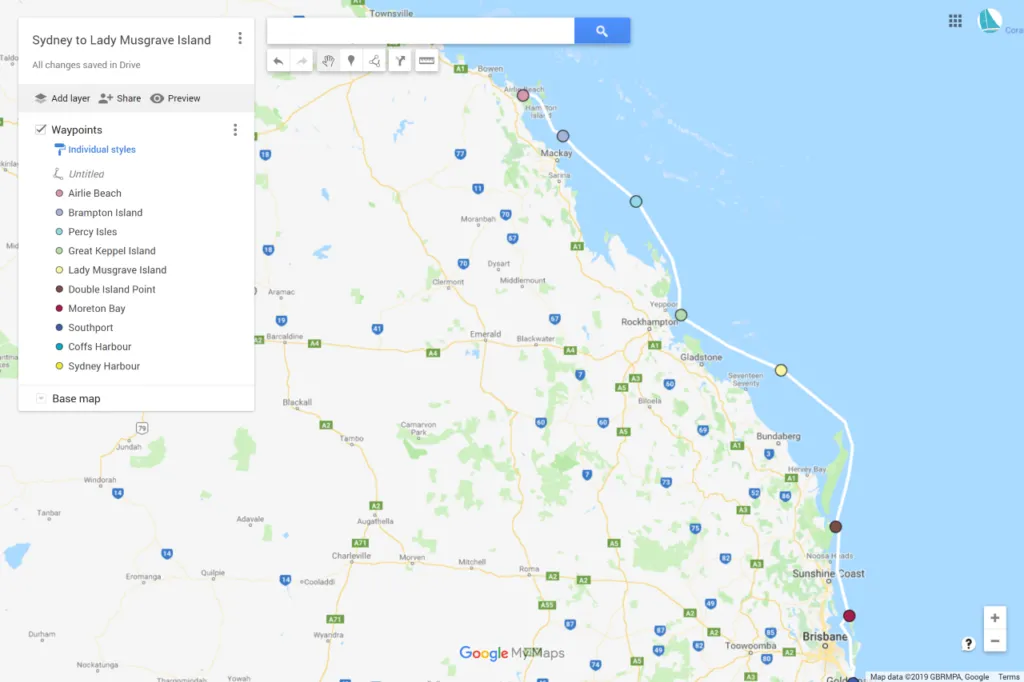
We plan to take our little Seawind 1000 catamaran ‘Seabbatical’ from Sydney Harbour, to Lady Musgrave Island. As I still have the demands of running a business and kids at school, this will be a mini seabbatical and so finding time is important but demanding.
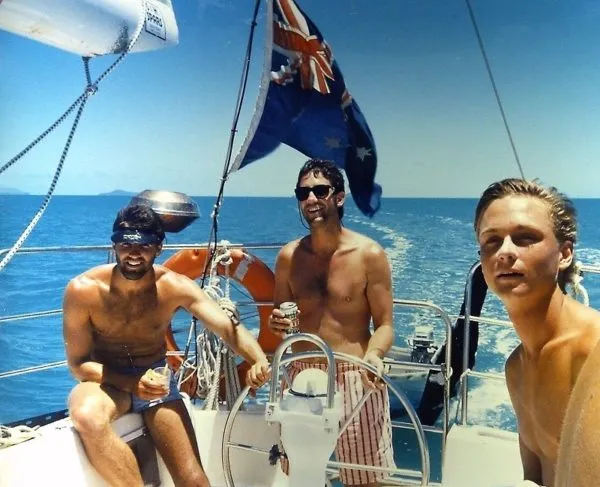
‘Pirate Pete’ is the proud new owner of the brand new Seawind 1260, that Cumberland Charter Yachts will be welcoming in to the fleet in August this year. We asked him what his background story was in buying the Seawind 1260 and why he chose to have it chartered in the Whitsundays.
Here is his story:
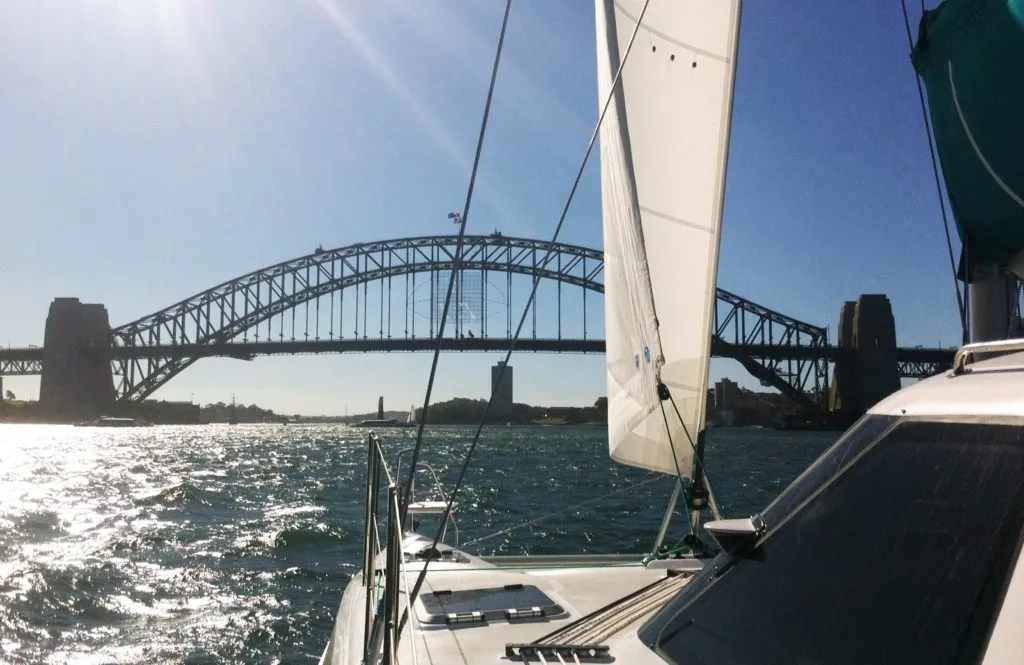
The club has been formed with the objective of providing a means for multihull boat owners to build networks, learn about how others fix issues and engage in both cruising and racing/rallys whilst enjoying the social aspects that belonging to a club provides.
If you have ever considered swapping the suit & tie and air-conditioning, for deck shoes and salt air and running your own business, then a charter boat business might be just the thing you need to feed both your entrepreneurial and outdoor desires.
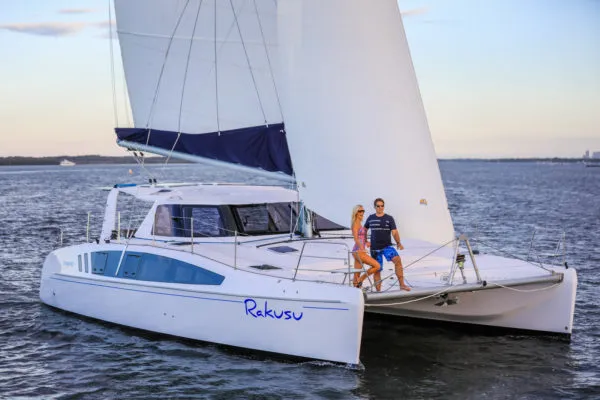
Charter boat ownership is a great way to accelerate buying your dream boat, profit from strong demand in the tourism industry and provides a fully managed solution to boat ownership while you are still busy working and with family commitments.
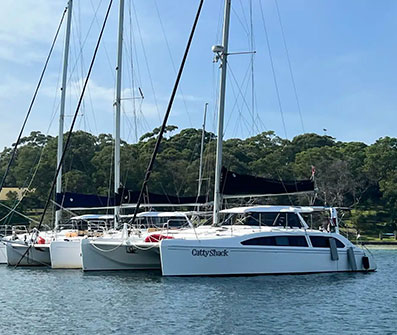
MCYC is not just about Thursday night Twilight racing. We hold rallies to other ports and we support each other cruising around Australia
